

Have you ever felt like an app always agrees with you, reinforcing choices that seem obvious in the moment—even when you later realize the risk? It happens to a lot of people, and it’s not just you being paranoid.
I’ll show you how confirmation bias appears in the user experiences of Nubank and other fintechs, which messages and screens nudge you toward risky decisions, and what you can do to avoid mistakes. I’ll share real-world examples, a comparison table, and practical tips you can use right now.

Confirmation Bias in Fintech Design
Have you noticed how notifications and subtle color choices can make you feel like you’re right, even without checking the facts? Confirmation bias works quietly behind the scenes in app interfaces.
How Nubank Uses Positive Reinforcement
Notifications with affirming language, such as “you’ve earned” or “your choice is safe,” create a sense of comfort. Think about it: that reduces doubt and increases clicks. Here’s the catch: repetition turns an opinion into a conviction.
Messages That Push You Toward Risky Decisions
Short, urgent messages play on emotions, and emotion gets in the way of clear thinking. But that’s not all—fintechs test what works.
- False urgency in offers
- Comparisons with fictional customers
- Small rewards that make risk seem worthwhile
These tactics increase conversion rates, but they also reinforce users’ existing beliefs, making it harder to see safer alternatives.
Read also: Cognitive Bias and Everyday Financial Decisions

Case Studies That Explain the Problem

Here are some situations many people will recognize. No sensitive data is included, so you can see the pattern for yourself.
Quick Case Study: Credit Offer
In the case of revolving credit, positive language and preapproved credit limits can lead customers to accept interest rates without comparing offers. That’s confirmation bias at work: you look for signs that accepting the credit is a good idea and ignore its true cost.
Where the Product Reinforces the Wrong Belief
Well-designed products can unintentionally reinforce poor decisions. Here are the most concerning areas.
- Screens that hide the true fees
- Automatic investment suggestions with no context about risk
- Notifications that emphasize gains without giving losses equal weight
When the interface favors one type of information, you’re more likely to confirm what you already believe about safety and profits instead of questioning your assumptions.

Common Mistakes That Amplify the Bias
- Accepting preapproved credit limits without asking why
- Following investment “trends” in the app
- Ignoring lengthy terms and conditions
These mistakes happen when people are in a hurry and trust the app automatically. Identifying these triggers is the first step toward taking back control of your financial decisions.
Practical Tips to Avoid Impulsive Decisions
Looking for a simple checklist to reduce the influence of confirmation bias? Here you go.
- Pause: Wait 24 hours before accepting offers
- Compare: Check rates on trusted comparison sites
- Question it: Ask, “What will this really cost me?”
Following a few personal rules can break the impulse cycle. Try turning off promotional notifications and using an independent calculator before accepting any credit or investment offer.
A Side-by-Side Comparison of Fintech Approaches
This quick table highlights the practical differences between messages that reinforce beliefs and those that explain risks.
| Message | Effect | Responsible alternative |
|---|---|---|
| “Preapproved credit limit” | Increases acceptance without analysis | “Review costs and interest rates before accepting” |
| “You could earn X” | Focuses on profits and hides risk | “Potential returns and estimated losses” |
Compare carefully—these differences can change your decisions. Always look for the responsible alternative before clicking confirm. Useful links for reference and fact-checking. Consult reliable sources to compare figures and rules.
You now have clear signs to help you spot when an app is prompting automatic confirmation. Use these tips to regain control of your financial choices. If you’re curious, try these simple techniques for a week and see what changes. Making decisions with less impulse means having more freedom.
Frequently Asked Questions
What Does Confirmation Bias Look Like in Practice?
Confirmation bias is the tendency to seek out or interpret information in ways that support your beliefs while ignoring evidence to the contrary. In fintech apps, it can show up when messages, notifications, and preapprovals reinforce the idea that a choice is good without revealing the risks. Recognizing this pattern can help you make more thoughtful decisions and let emotion play a smaller role.
How Can I Spot Messages That Lead Me to Make Mistakes?
Watch for absolute language, urgency, and vague comparisons such as “customers approve.” Messages that emphasize gains while minimizing costs are warning signs. Always check the numbers and terms, and use independent sources to verify the information before accepting. A few simple checks can prevent costly decisions driven by instant confidence.
Does Nubank Do This on Purpose?
Companies test messages to improve engagement, and sometimes this can reinforce confirmation bias. It isn’t always bad faith, but the effect is real. Users should demand transparency and compare offers. Regulators and independent research can help identify problematic practices in the industry.
What Quick Steps Can I Take Today?
Try these three rules: wait 24 hours before accepting offers, calculate the true costs with an independent calculator, and turn off promotional notifications. Also, read the key terms and compare alternatives. These small actions give you room to think and reduce impulsive decisions driven by bias.
Where Can I Find Reliable Information About Fees and Risks?
Use official sources such as the Central Bank of Brazil for rules and rates, financial websites for comparisons, and major news outlets to fact-check claims. Interest calculators and simple spreadsheets can help you see the true costs. Checking multiple sources makes it less likely that you’ll only confirm what you want to hear.
Artigos Relacionados
 Behavioral Finance: How to Make Better Choices
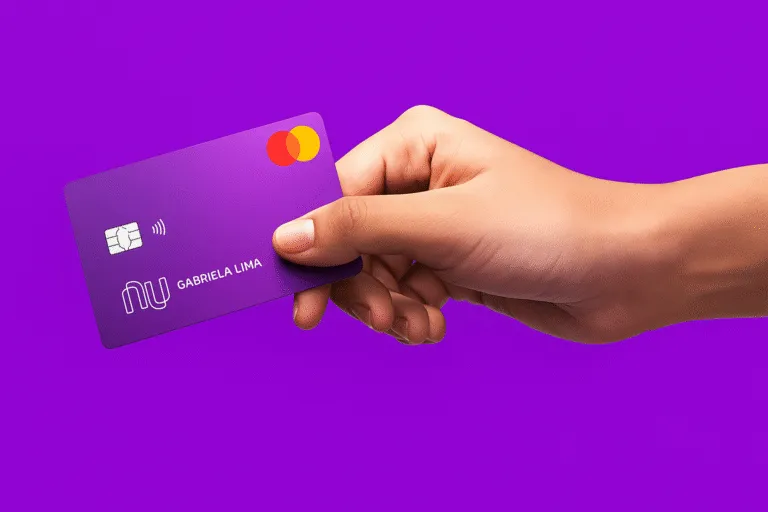 Nubank Credit Card: The Complete Guide to Brazil’s Beloved Purple Card
 Financial Bias: Identify and Correct Your Mistakes Now
 Confirmation Bias: How Nubank Shapes Your Choices
 How Media Shapes Political Opinions
 Career Choices and Psychology: How to Make Smart Decisions
