
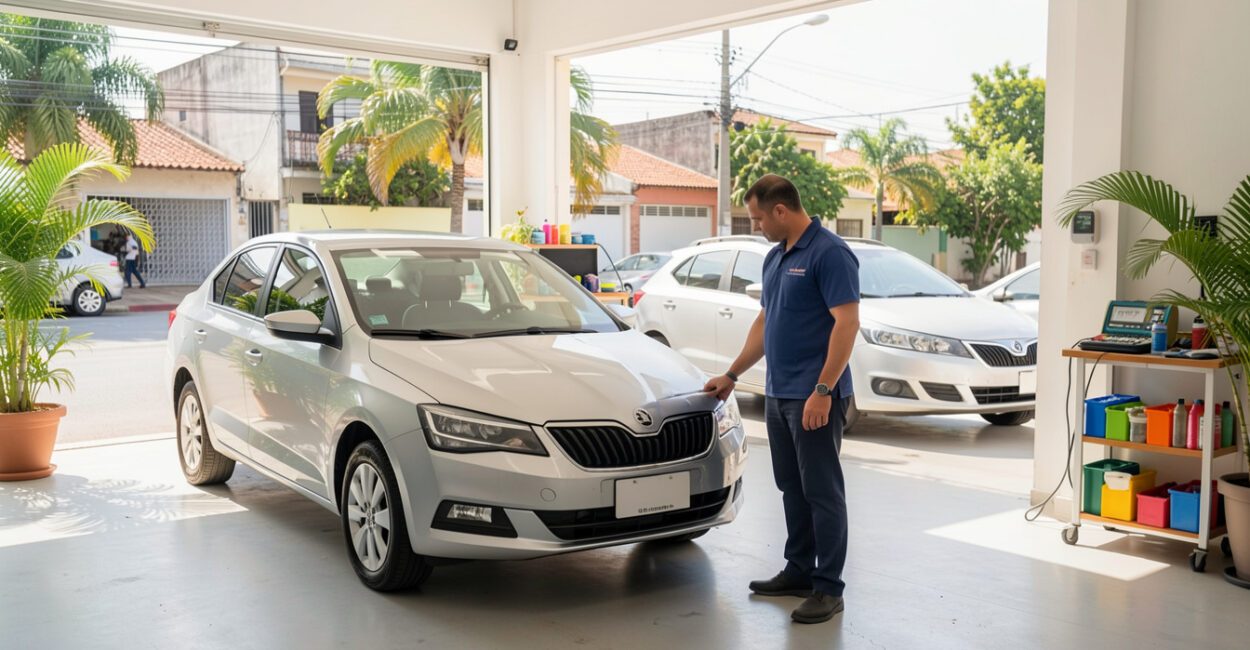
A minor collision can lead to a hefty bill if another car is damaged, and a theft can leave the owner without transportation. Vehicle insurance transfers some of the financial risks specified in the contract to the insurer. To make a good choice, compare coverage, deductibles, limits, exclusions, and roadside assistance—not just the premium.
The right protection depends on the vehicle, where you drive it, and how much your budget could cover after an unexpected event. An insurance policy for a used car driven only occasionally may call for different choices than one for a financed vehicle used every day. Before requesting a quote, distinguish legal requirements from financing terms and check how each insurer describes its services. The policy and its terms determine what is covered.

Before comparing quotes
- Have the vehicle details and the primary driver’s information ready.
- Decide whether you want coverage for collisions, robbery and theft, damage to others, or only some of these situations.
- Consider how much you could afford to pay out of pocket if you file a claim.
- Compare quotes with equivalent coverage and terms.
1. Vehicle insurance: understand the coverage and when to buy it
Vehicle insurance is a contract in which an insurer takes on specified risks in exchange for a premium and pays the policyholder or provides services when a covered event occurs. In simple terms, it helps cover losses listed in the contract, but it does not cover every type of damage or replace the need to read the policy terms. Private auto insurance is not required for every vehicle. Brazil’s Código de Trânsito Brasileiro (Brazilian Traffic Code) sets requirements for driving on public roads, but these do not require drivers to buy private collision coverage. A lender may require insurance as a condition of financing; check the signed agreement, since this is different from a general legal requirement.
Insurance may make sense when losing your car or paying damages to others would strain your finances. If you have enough savings to absorb those costs, you might consider more limited coverage, as long as you knowingly accept the risks that are not covered. For information about insurance rules and industry oversight, consult the consumer guidance from the Superintendência de Seguros Privados (Susep), Brazil’s private insurance regulator. Susep regulates and oversees the market, but coverage in any given case depends on the policy you choose.
2. Compare coverage and find out what is excluded
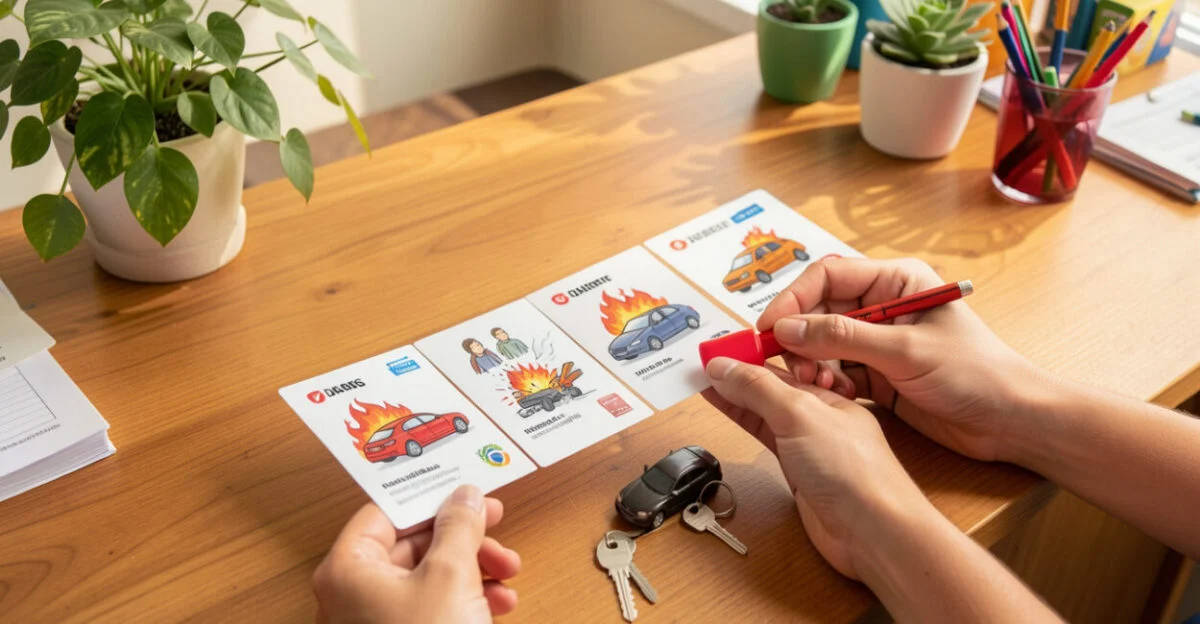
Coverage varies by product and insurer. This table outlines common options, but it does not replace the policy terms: limits, covered events, and exclusions can differ from one quote to another.
Type of coverage What it typically covers What to check Comprehensive Events such as collisions, rollovers, fire, and robbery or theft, depending on the contract. Whether natural disasters are included, the deductible, how claims are paid, and exclusions. Robbery and theft The vehicle being stolen in situations covered by the policy. Claim payment rules, required documents, and eligibility terms. Third-party liability (RCF-V) Liability for property damage and/or bodily injury caused to others, up to the limits you select. Coverage limits and whether damage for emotional distress is covered. Passenger accident coverage Benefits for passengers, subject to specified limits and covered events. Coverage amounts, who is covered, and the conditions for filing a claim.
Comprehensive coverage typically includes more risks involving your own vehicle, but it does not mean unlimited protection. Flooding, rising water, falling trees, and other events depend on the policy language; damage caused by using the vehicle outside the stated terms may also be excluded. The complete policyholder safety guide may offer additional information about insurance, but it does not replace your specific policy.
If your car has a low market value and broad coverage would strain your budget, compare a policy limited to robbery and theft with comprehensive coverage. This is a suitable choice only if you can afford to pay for collisions or damage to your own car that is not covered.
3. Review deductibles, limits, and roadside assistance before choosing

A deductible is the portion of a covered loss that you pay for certain claims, according to the policy terms. It generally applies to repairs to your insured vehicle, not to third-party liability claims; the contract defines when it applies and may set different deductibles for specific services or events. A lower deductible may come with a higher premium, while a higher deductible lowers the policy cost but increases what you pay for repairs. Compare both expenses together. If repair costs exceed the deductible, the insurer pays the covered amount above it, subject to the policy terms. If they fall below it, the owner typically pays the full cost.
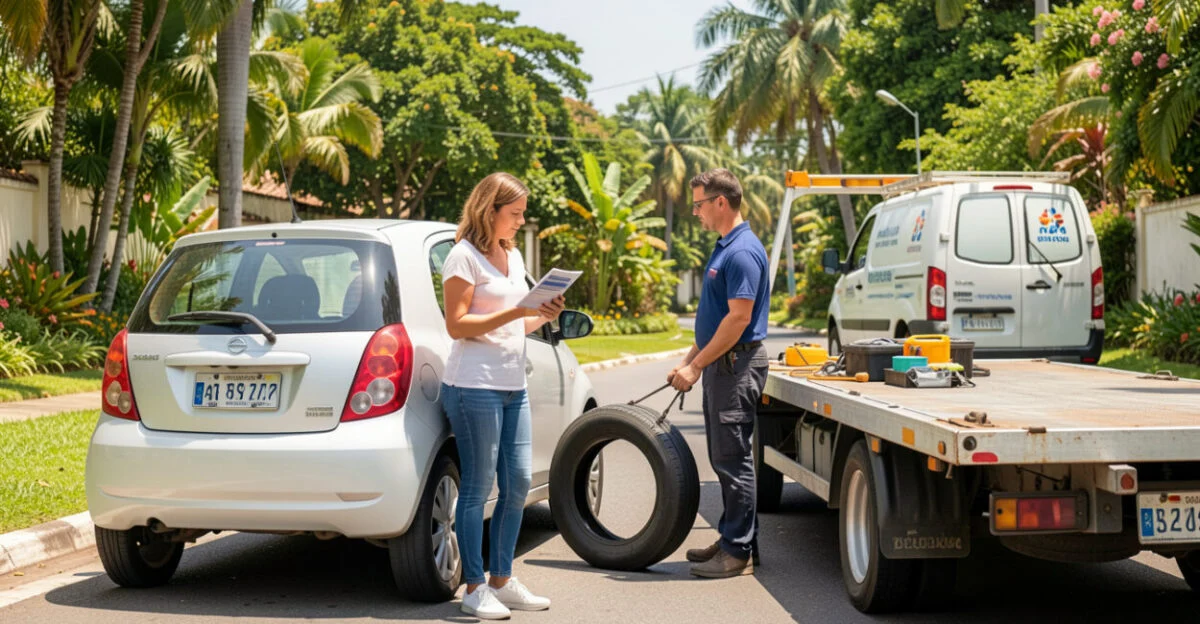
24-hour roadside assistance may include towing, fuel delivery, a locksmith, or a tire change, but limits vary. Check the maximum towing distance, number of service calls, service area, and whether coverage applies to the vehicle or its occupants as well.
- Liability limits for property damage and bodily injury to others.
- Deductibles for each type of claim and whether a lower deductible is available.
- Covered events and stated exclusions.
- Reference value and criteria for a total loss settlement.
- Towing distance and terms.
- Rental car coverage, duration, and eligibility requirements, if included.
A common mistake is choosing based on price and later finding out that towing is limited to a short distance or that the liability limit is too low for the damage caused. Compare these details side by side before deciding.
4. Get a quote and learn what determines the price
The cost of insurance depends on the vehicle, where it is driven, the details you provide about the driver, the coverage, the deductible, and the insurer’s eligibility criteria. That is why there is no universal monthly price for cheap car insurance, or a quote that works for every driver. To compare auto insurance quotes or get an online estimate, provide accurate information and use the same driver profile, coverage, and limits for every quote. Where the car is parked overnight, who drives it regularly, and how it is used can affect the risk assessment; omitting or misrepresenting this information may lead to discrepancies when a claim is reviewed.
The cost of Bradesco auto insurance or insurance for a 2026 Fiat Pulse, for example, can only be estimated with a current quote and details about the specific case. The model and year alone are not enough. The same applies to searches for Azul Seguros, BB auto insurance, or Porto Seguro Auto: the brand alone does not determine the price or whether a policy is right for you.
To save money, adjust the deductible and coverage to match the risks you can afford to take, keep your information up to date, and compare equivalent quotes. Installing security devices or adding drivers may affect the terms, but do not count on a discount until the insurer confirms you qualify. An online estimate does not guarantee approval or the final price.
Tip
Compare the annual premium, deductible, liability limits, roadside assistance, and exclusions. A small difference in the payment could hide a big difference in what you might have to pay or receive.

5. Get coverage for a new or used car and confirm when it starts
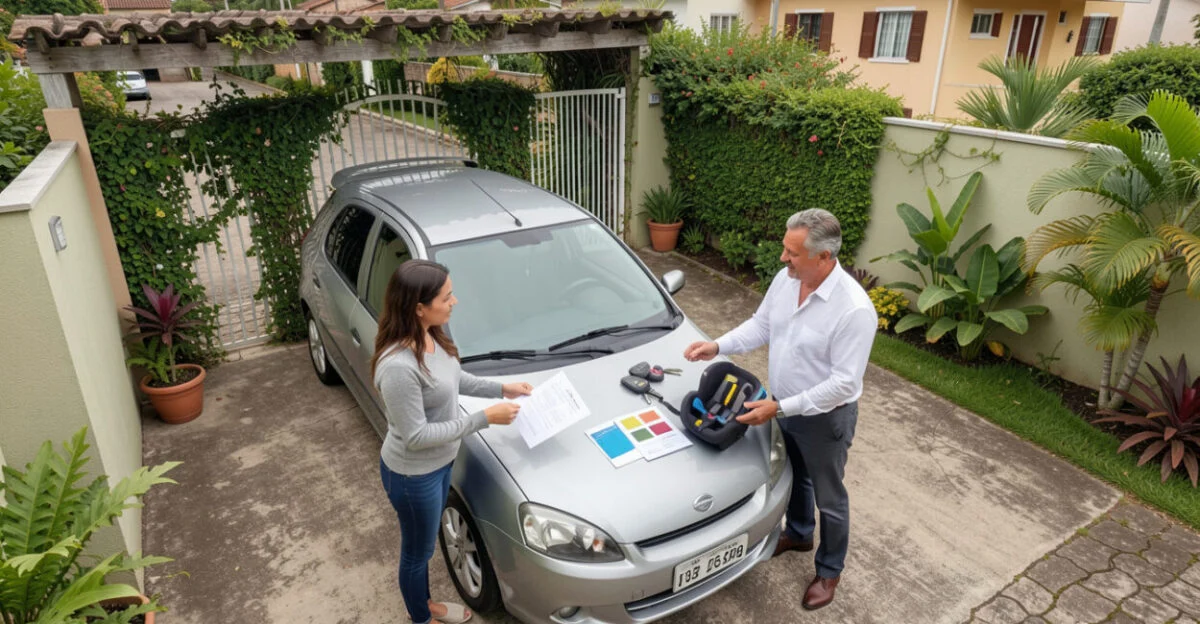
To get a quote, you will typically need to provide information about the vehicle, its owner, the primary driver, and where the car is kept or driven. The insurer may require an inspection, photos, or a vehicle review, especially for used cars or depending on the product; procedures vary by company.
Before accepting, review the quote, policy terms, insured value, deductible, and the effective date and time. Do not assume coverage starts when you submit the quote or make a payment: confirm approval and the effective date in the documents issued by the insurer.
When buying a car, the owner may be busy handling the title transfer, financing, and pickup. If an inspection is required, delaying it could prevent coverage from starting on the date you expected. Confirm each step with the insurer and keep the proof.
The Código de Trânsito Brasileiro (Brazilian Traffic Code) is available in the consolidated legislation on the Planalto website. For insurance, however, the policy terms and documents for the policy in question explain the applicable coverage, obligations, and limits.
6. After an accident, robbery, or theft, follow the right steps
After any claim, put people’s safety first, document what happened, and notify the insurer using the channels listed in the policy. Following these steps helps preserve information needed to investigate the incident and determine coverage and payment.
- Make sure everyone is safe. After an accident, secure the scene and contact emergency services if needed; do not put anyone at risk to take photos.
- Document what happened. Record the details of everyone involved and any witnesses, take photos if it is safe, and obtain a police report when appropriate or required.
- Notify the insurer. Use the channel listed in the policy, provide an accurate account, and ask for a claim number.
- Send the documents. Submit the requested records and proof, and follow up through the company’s official channels.
- Wait for instructions. Before authorizing repairs, confirm whether an inspection or approved repair shop is required and which expenses need approval.
In the event of robbery or theft, promptly notify the authorities and the insurer, following the policy instructions. Do not assume a police report alone completes your claim: the company may request additional documents and review the circumstances and coverage.
After a collision, drivers sometimes take the car straight to a repair shop and authorize repairs before contacting the insurer. This can make it harder to inspect the vehicle or validate repair costs. First, confirm the process and keep receipts, claim references, and messages.
7. Get answers to your questions and avoid costly claim mistakes
If a quote does not explain a limit or exclusion, ask for clarification in writing before you buy. Keep the response with your policy documents. When comparing insurers, also consider customer service channels and the claims process. Do not treat lists of the “best car insurance” as universal rankings: the right option depends on how you use your car and the terms offered for your profile.
If you are looking for online car insurance, review information about the product and company before completing your purchase. To learn about one option on the market, visit Porto Seguro’s vehicle insurance page and compare its terms with other quotes. A brand name does not replace reading the contract.
It is also helpful to look up support information before you need it. If you have trouble describing an accident, stick to objective facts such as the time, location, and visible damage, and keep your communications with the insurer organized. Inconsistent accounts can delay the review.
To buy a policy, start with the quote that best fits how you actually use your car. Then confirm the deductible, liability limit, roadside assistance, and exclusions in the policy terms. Coverage can vary across products from the same insurer, so the quote and issued documents are the reference for your policy.
Frequently asked questions
Can I buy coverage for damage to others only?
Some insurers offer liability coverage without protection for damage to your own car, but availability depends on the product and the risk assessment. Compare the limits and confirm in writing which types of damage are covered.
What does a total loss settlement mean?
It is the payment provided when a loss meets the policy’s criteria for a total loss, or in cases such as robbery or theft when the vehicle is not recovered, as specified in the policy. Check the policy terms to see how the payment is calculated and what reference value is used.
Can I change the primary driver after buying the policy?
Tell the insurer if there is a significant change in how the vehicle is used or who the primary driver is. The company may update its risk assessment and terms; outdated information could cause problems when a claim is reviewed.
Does an online quote mean my insurance has been approved?
No. An online estimate or quote is subject to the insurer’s eligibility rules. Confirm approval, issuance of the policy documents, and the effective date before relying on the coverage.
What should I keep after buying a policy?
Keep the policy, its terms, payment records, customer service references, and any policy changes. These documents help you check limits, deductibles, and procedures if you have a question or file a claim.
Artigos Relacionados
 Cybersecurity Analyst: The Complete Guide to Protecting Your Business
 Flight Attendant: A Complete Guide to Starting Your Career Today
 Data Privacy: A Complete Guide to Protecting Your Information
 Insurance Broker: A Complete Guide to the Profession
 User Experience (UX/UI) Designer: A Complete Guide for Professionals and Enthusiasts
 Storytelling Techniques for Children: A Complete, Practical Guide
