
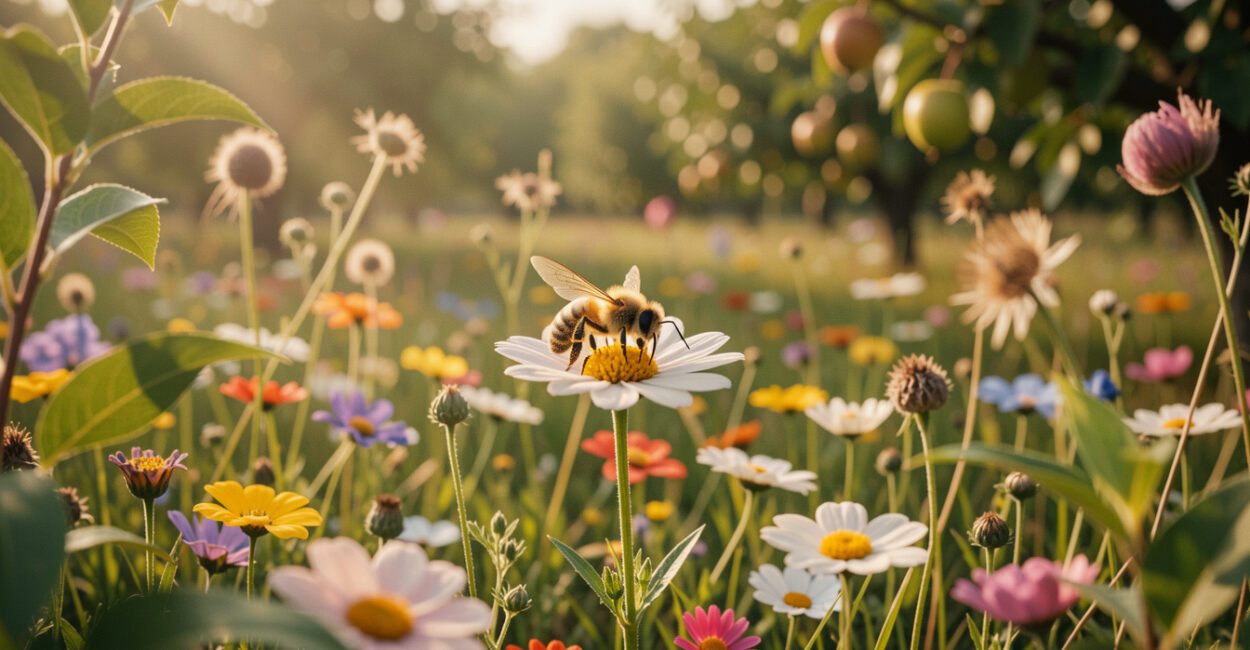
Bees carry pollen from flower to flower, helping many plants produce fruits and seeds. These insects in the superfamily Apoidea include social and solitary species, with and without stingers. Many pollinate wild and cultivated plants and depend on flowers and suitable nesting sites.
Learning about bee diversity helps understand why a honeybee hive does not represent all bees. You can protect them by providing a variety of flowers, preserving nesting sites, and avoiding pesticides that harm pollinators.

Before observing or protecting bees
- Observe from a distance, and do not touch nests, swarms, or wild bees.
- Keep in mind that the species, weather, and time of year affect the behavior you observe.
- Choose a variety of plants that bloom at different times.
- Before installing a hive or rearing box, check local regulations and seek expert guidance.
1. What bees are and how they live
Bees are insects in the order Hymenoptera and the superfamily Apoidea, and many have a close relationship with flowers. As they collect nectar and pollen, they can carry pollen grains between compatible flowers.
Some live in colonies; many others build individual nests.
In social species such as the Western honeybee, a colony may include a queen, worker bees, and drones. The queen lays eggs, workers perform tasks such as caring for the brood, gathering food, and defending the nest, and drones are males whose role is related to reproduction. Organization and life cycles vary among species. Solitary bees also show a range of behaviors. In many species, each female builds or occupies a nest, stocks its cells with food, and lays eggs without forming a colony with a permanent division of tasks.
A bee returning to its nest with pollen attached to its legs or other parts of its body may be foraging. On the other hand, not seeing bees visit a flower for a few minutes does not mean there are no pollinators in the area: time of day, rain, wind, and flower availability all affect observed activity.
2. How pollination supports plants and crops
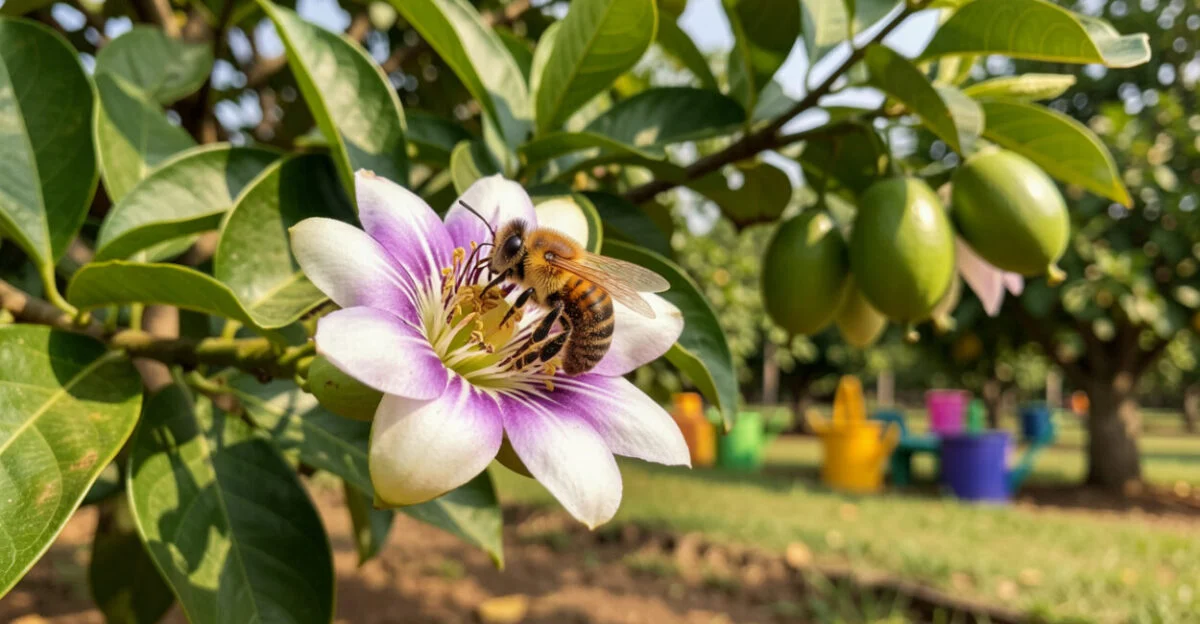
Pollination occurs when pollen reaches the reproductive part of a compatible flower, making fertilization possible and, in many plants, leading to the formation of fruits and seeds. When visiting flowers for food, a bee can carry pollen between plants.
This process contributes to the reproduction of wild species and the production of many foods.
In agriculture, the contribution of pollinators depends on the crop and growing conditions. Some crops benefit from bee visits, which can increase yields or improve fruit characteristics; others rely less on animal pollination or reproduce in other ways. Pollinator availability can also affect agricultural planning and harvest consistency, with economic impacts on producers and food supply chains. Bees are important alongside other pollinators. Butterflies, flies, birds, and bats also visit flowers, and each group’s contribution varies by plant, region, and environment. Maintaining diverse communities helps sustain a range of relationships between plants and pollinators.
The Food and Agriculture Organization of the United Nations (FAO) provides information about pollination and agricultural production. Crops vary in how much they depend on pollination: some benefit greatly from animal pollination, while others rely on it less.
3. Types of bees: honeybees, solitary bees, and stingless bees

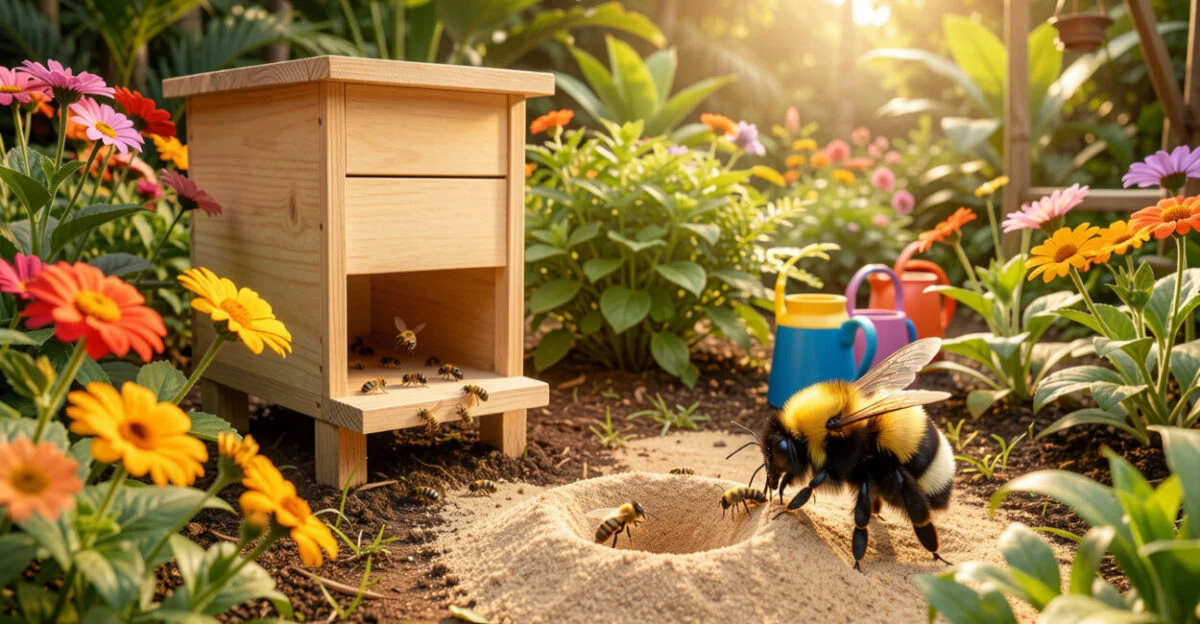
Bees vary in size, behavior, and lifestyle. The table compares familiar groups in Brazil and does not represent the full diversity of species.
Group or example Social behavior What to look for Western honeybee Social Forms colonies, stores honey, and has a stinger. Solitary bees Generally, each female makes her own nest May nest in the ground, in cavities, or in wood. Bumblebees Varies by species Large bees; some pollinate flowers through vibration. Stingless bees Social Include native species such as the jataí and defend themselves in other ways.
In social colonies, queens, workers, and drones have distinct roles, although organization varies from one group to another. This division of labor does not apply to solitary bees, in which a female generally prepares her own nest and provisions for her young.
Brazil’s native stingless bees include the jataí and other species in the tribe Meliponini. “Stingless” does not mean they cannot defend themselves: some bite or use resins and other strategies. The term “black bee” may refer to different species depending on the region; color alone is not enough for a reliable identification.
Read also: A Pollinator Garden: How to Attract Bees and Butterflies
It is also common to assume that all bees produce honey. Many solitary species do not build up stores like those in a managed colony. Among stingless bees, honey production and characteristics vary by species and local conditions.
4. Threats affecting bee populations
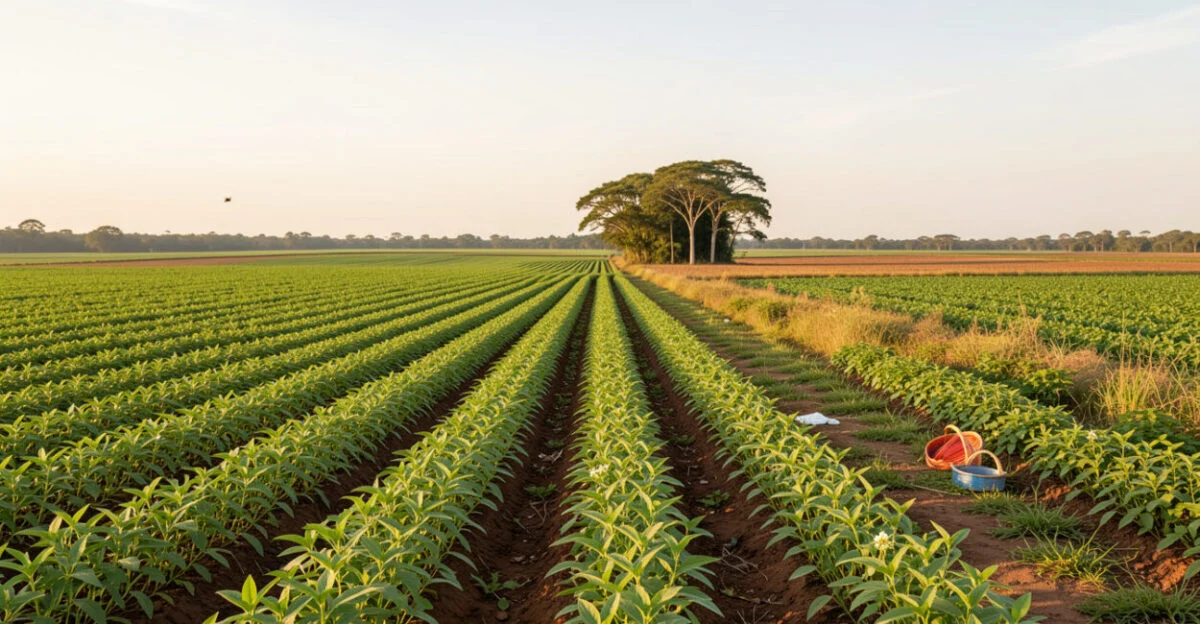
Habitat loss and fragmentation reduce the availability of flowers and nesting sites. Converting natural areas, removing native vegetation, and maintaining gardens with few flowers throughout the year can leave pollinators without food or shelter.
Pesticides can also pose risks depending on the substance, dose, application method, and timing. The label “organic” does not guarantee safety for bees: products derived from natural sources can also be toxic to insects. Follow the label and local regulations, avoid treating flowering plants when pollinators are present, and seek expert advice before using any product.
Monocultures can provide abundant flowers for a short time and leave few resources after blooming. Climate change alters flowering seasons and insect activity. Diseases and parasites also affect some species and rearing systems; impacts depend on the host and region, and there is no single cause for every observed decline.
5. How to interpret signs of decline
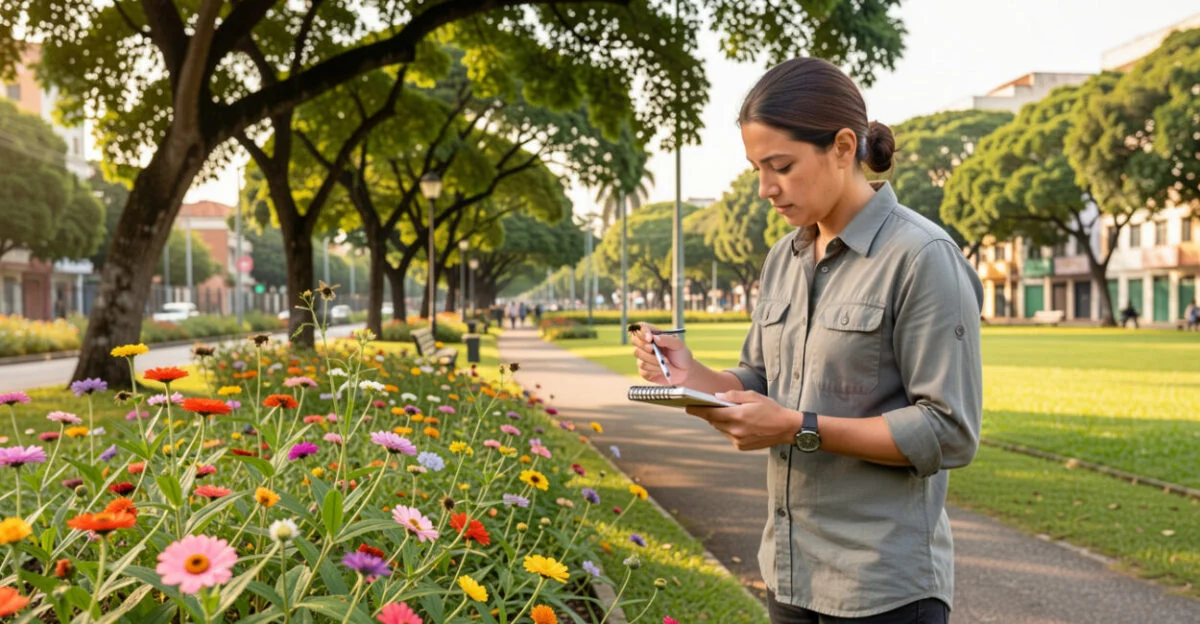
Seeing fewer bees during a visit to your garden is a local observation, not enough to conclude that a regional population is in decline. Assessing trends requires repeated observations at comparable locations and times and, when possible, identifying the species. Weather, time of day, blooms, and how the surrounding area is managed can change sightings from one day to the next.
A useful record includes the date, location, weather conditions, flowering plants, and approximate number of visitors over a fixed period. Repeat observations at comparable times of day and times of year; photos taken from a distance can help with identification without capturing or disturbing the insects. Citizen science projects and researchers’ surveys can supplement what a single observation cannot show.
The Chico Mendes Institute for Biodiversity Conservation (ICMBio), Brazil’s federal biodiversity conservation agency, publishes information about biodiversity conservation in Brazil. Assessing a species or region may require specialized methods, and monitoring is not equally available for all groups of bees.
6. What to do at home, in the garden, and in your community
The best place to start is by providing food and shelter throughout the year. Choose plants suited to your region, with varied shapes and bloom times, and maintain a diversity of flowers. Some solitary bees use bare soil, cavities, or wood for nesting, so avoid removing every kind of natural shelter.
- Plant native species whenever possible, and make sure they suit the local climate.
- Reduce or eliminate pesticide use; if treatment is essential, follow the label and avoid harming flowers and visiting insects.
- Preserve trees, flower beds, and green spaces. In shared spaces, coordinate maintenance with neighbors or those responsible for the site.
A pot of flowers on a balcony may attract visitors, but that is not the same as keeping a colony. In an apartment, providing plants and observing pollinators is usually more appropriate than installing a rearing box, which requires a suitable species, proper management, enough space, and attention to building and municipal regulations.
To observe without interfering, choose a flower-filled spot, keep your distance, and spend a few minutes noting which visitors appear and which plants they visit. Record the date and weather conditions without touching the insects or searching for nests. This simple approach can help you learn about local activity and compare observations from other times of year.
If you see fewer visits after the garden is mowed or a product is applied, record the date and check what measures were taken before concluding that one caused the other. Pause any further applications until you have checked the risks, and consider replanting species that bloom at different times. A single observation does not prove the cause, but consistent records can help guide future decisions.
7. Conservation, beekeeping, and common mistakes
Population recovery depends on the species and the factors affecting it. Restoring vegetation and connecting habitats can produce results at different rates; there is no universal timeline for bee populations to recover. Monitoring needs to account for reproduction, available resources, and whether threats continue.
Responsible beekeeping involves informed management, attention to colony health, and choosing an appropriate location, while also respecting native bees and floral resources. A managed hive does not replace habitat conservation or represent all bee species. Before getting started, seek training, local guidance, and information about health and environmental regulations.
Common mistakes include identifying a species by color alone, assuming every bee makes honey, applying a “natural” pesticide without checking its effects on pollinators, and treating a few sightings as proof of widespread decline. To identify a bee or nest, use photos taken from a distance and consult local organizations or experts. Do not remove colonies yourself.
Fun facts about bees
Some characteristics help explain how bees interact with their environment. For example, collecting pollen can leave visible grains on their legs or bodies, while flower-visiting behavior depends on the species and the conditions that day.
Some solitary bees nest in the ground, while others use cavities. Some bumblebees can release pollen from certain flowers through vibrations. These examples show why observing bees on different plants and in different habitats reveals a range of behaviors, without the need to capture them.
Frequently asked questions
What are the three types of bees in a colony?
Colonies of social species such as the Western honeybee include a queen, workers, and drones. The queen lays eggs, workers care for the brood, gather food, and perform other tasks, and drones are males involved in reproduction. This division of labor does not apply to all bees: many species are solitary.
What are some facts that help explain bee behavior?
Not all bees live in hives, and many build individual nests in the ground or in cavities. Some bees carry pollen attached to their bodies, and certain bumblebees use vibrations to release pollen from specific flowers. Behavior varies by species and environment.
What should I do if I find a swarm?
Keep your distance, move children and pets away, and do not touch, spray, or try to remove the swarm. If it is in a high-traffic area or poses a risk, contact your local government or a qualified professional for guidance and appropriate management. Swarms may be temporary, but it is not possible to confirm that without assessing the situation.
Do all bees make honey?
No. Many solitary species do not produce honey stores like those in a managed colony. Even among social bees, production varies by species and environment.
Can I keep bees in an apartment?
You can keep plants that attract visiting pollinators, but maintaining a colony usually requires space, knowledge, and suitable conditions. Check your building and municipal regulations, and seek advice from an experienced stingless-bee keeper or beekeeper before installing a box.
Planting a variety of flowers, reducing pesticide use, and recording visitors throughout the seasons are practical ways to support bees and learn about local pollinators. Observe without capturing insects or disturbing nests; caring for habitat can start in your own garden, on your balcony, or in a shared space.
Artigos Relacionados
 Librarian: An Essential Role in Modern Society
 Education: The Essential Role Parents Play in Child Development
 Critical Reading: 12 Essential Tips for Competitive Exams
 The Art of Public Speaking: 12 Essential Tips for Speaking with Confidence
 Essential Tips for Creating an Impressive Resume
 Emotional Intelligence: Essential Strategies for Managing Anxiety
