

One artificial intelligence job may require programming; another may call for knowledge of healthcare, finance, or logistics. In 2026, in-demand careers are concentrated in technology and data, but also include traditional fields adopting new tools.
To choose among them, compare observable demand, required skills, and entry paths, without treating projections as a guarantee of employment.

Artificial intelligence changes tasks and creates specialized roles, but it is not the only factor driving hiring. Demographics, investment, industry regulations, and local needs also matter. As a result, a promising career in one region or company may offer few opportunities in another. The criteria below help distinguish short-term trends from forecasts for 2030 and beyond, and show where to start preparing.
Before choosing a field
- Decide whether you prefer a quick career change, a college degree, or a longer technical program.
- Check actual job openings in your area and the requirements that appear most often.
- Consider how much time and money you can invest before pursuing a career change.
- Choose a role based on the kind of work you want to do, not just the job title.
Which careers are in demand in 2026?
In 2026, opportunities are concentrated in data and artificial intelligence, cybersecurity, software development, healthcare, energy, and roles that combine business knowledge with technology. Examples include data scientist, information security specialist, software engineer, digital health professional, and operations analyst.
Demand varies by industry, region, and experience level.
Field
Example roles
Entry-level skills
Barriers and transition
Exposure to automation
Data and AI
Data scientist, machine learning engineer, data analyst
Statistics, SQL, Python, and model evaluation
Moderate to high barrier; a quantitative foundation and demonstrable projects can make a transition viable
Routine analysis tasks can be automated; validation and problem definition still require judgment
Cybersecurity
Security analyst, incident response specialist
Networking, operating systems, risk management, and investigation
Moderate barrier; labs and certifications can help with entry
Tools automate alerts, but incident response depends on context
Software and cloud
Developer, cloud engineer, systems analyst
Logic, programming, service integration, and testing
Moderate barrier; a technical portfolio can support a transition
Code generation speeds up parts of the work; architecture and maintenance remain important
Healthcare
Nurse, digital health professional, clinical data analyst
Role-specific regulated training, patient care, and data interpretation
High for clinical occupations; lower for some support and analytics roles
Automation can support documentation and triage, but does not replace clinical responsibility
Energy and operations
Energy efficiency specialist, automation technician, supply chain analyst
Technical knowledge, ability to read metrics, and operational safety
Varies by role; technical experience can make a transition easier
Sensors and systems automate monitoring, while field decisions require context
The table is a starting point for research, not a nationwide ranking of job openings. To check hiring signals, compare recent job postings with records from Novo Caged, Brazil’s Ministry of Labor and Employment, and consult IBGE’s Continuous PNAD survey to understand broader employment trends.
These sources measure different things; none, on its own, confirms demand for a specific role in every city.

How to identify real demand without confusing forecasts with job openings
A career is in demand when there are consistent signs of hiring or a need for specific skills—not just because it appears on trend lists. The picture is more reliable when you combine job postings, official employment data, and concrete changes in how companies operate.
The World Economic Forum’s Future of Jobs Report 2025 analyzes employers’ expectations about changes in the workplace. It’s useful for spotting trends, such as shifting skill requirements, but its projections do not represent job openings in Brazil.
For a local decision, review job postings, recurring requirements, and the state of the industry in your area.
Here’s a simple check: choose ten recent postings for the same role and note which skills appear, how many openings accept entry-level applicants, and which require specific education. If the postings list different tools but similar tasks, focus first on transferable fundamentals. This review won’t measure the entire job market, but it can reveal a better entry point than a generic ranking.
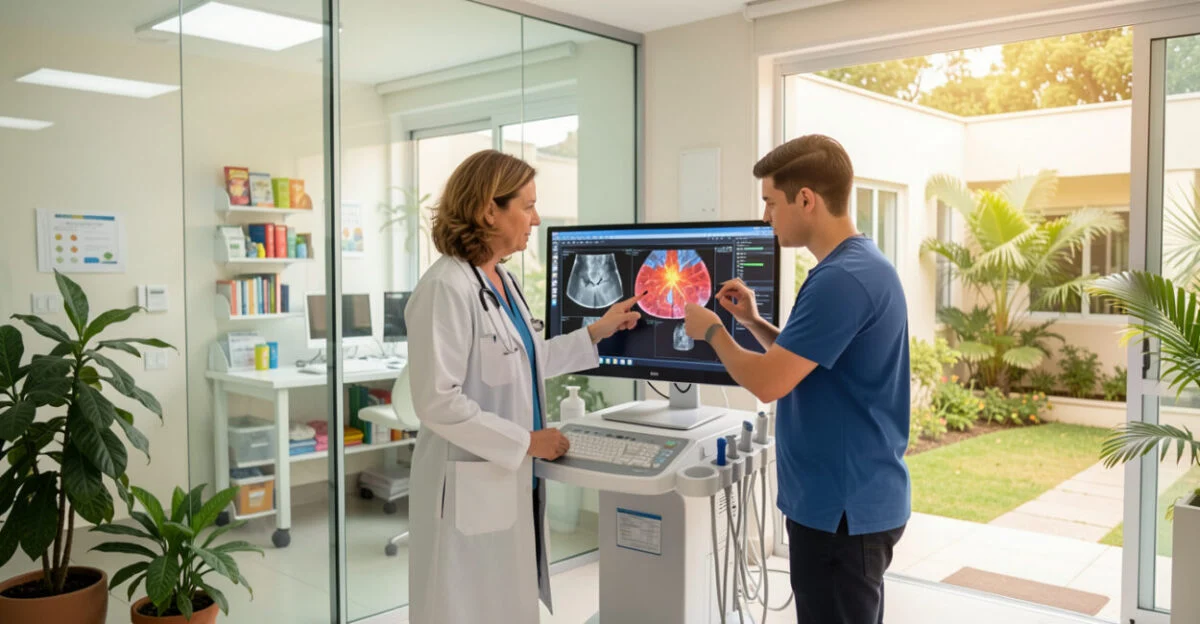
How artificial intelligence is creating and changing roles

Artificial intelligence is a set of computational methods that identify patterns, generate content, or support decisions based on data and instructions. In everyday terms, it can classify images, summarize documents, or suggest code; someone still needs to define the problem, check the output, and take responsibility for its use.
That’s why AI-related careers include technical roles, such as machine learning engineer and data scientist, as well as hybrid roles, such as product analyst, data governance specialist, and tools integration specialist in operations. Healthcare, finance, and marketing professionals can also incorporate these tools without changing occupations. In the transformation of the job market, the difference lies in which tasks are supported by systems and who validates decisions and results.
In healthcare, for example, models can help analyze test results, but clinical interpretation requires qualified professionals and attention to the patient’s medical history. In operations, automated systems can detect failures, while analysts investigate causes and determine fixes. Automating a task does not, by itself, mean an entire occupation will disappear.
Read also: Tomorrow’s Careers: How Artificial Intelligence Is Revolutionizing Education and Work
People working with generative AI also need to deal with plausible errors, sensitive data, and usage rights. Knowing how to write prompts helps, but it doesn’t replace subject matter expertise. Platforms such as Google Cloud AI offer tools for building solutions; professional value comes from knowing when to use them and how to test their limits.

What skills and education can help you enter these fields?
The right training depends on the role. Some clinical careers require a degree and professional licensure; in technology, a portfolio, hands-on experience, and strong fundamentals can open doors, although many jobs also require a degree. There’s no single rule for working in AI: research and engineering roles often require a strong technical foundation, while applied roles may be open to professionals from other fields with specialized training.
Technical and interpersonal skills
For data and software, Python, SQL, statistics, and version control are useful starting points. In security, networking and operating systems matter more; in healthcare, you need to follow protocols and respect privacy and clinical limits. Systems analysis also combines an understanding of an organization’s processes with the ability to specify solutions.
Interpersonal skills still matter: critical thinking helps you question an automated answer, collaboration helps you work with multidisciplinary teams, and emotional intelligence helps you handle conflict and change. When delivering projects, clear communication helps explain risks and decisions to colleagues outside your technical field.
Degrees, short courses, and hands-on experience
Degrees in computer science, statistics, engineering, and healthcare provide different foundations; short courses can fill specific gaps, but they don’t replace regulated training when a profession requires licensure. To compare education and practice, check whether a course includes exercises using data, evaluation of results, and projects you can show employers. Material about artificial intelligence in education can also help explain how adaptive tools can support learning without replacing guidance from an instructor.
A learning resource is most valuable when it produces verifiable evidence: a data dashboard with its methodology documented, a documented security lab, or a prototype tested by users. Certificates without hands-on work may carry little weight in hiring processes.

How to choose a promising career and prepare
Start with the work you want to do day to day. Compare three roles and rate each from 1 to 5 for how interested you are in the tasks, which requirements you already meet, the cost of acquiring missing skills, and the number of matching job postings in your area. The career with the most demand may not be the best choice if the entry barrier doesn’t fit your time or resources.
- Gather recent job postings and highlight recurring requirements.
- Separate mandatory requirements, such as a professional license, from skills you can learn through practice.
- Choose one priority skill and develop a project that demonstrates it.
- Ask professionals in the field for feedback and refine your portfolio before applying.
To change fields, build on the skills you’ve already gained. Someone in logistics can move toward operations analysis by learning SQL and data visualization; someone in communications can study metrics and marketing automation tools. A transition is usually more feasible when it connects your prior experience to a concrete need rather than starting from scratch in an unrelated field.
Update your plan every few months: tools and requirements change, and a job posting may reflect a temporary need. Courses, professional communities, and events can help you understand these changes, but ask about day-to-day tasks and hiring criteria, not just trends. This gives you a more realistic sense of the job prospects associated with each path.
How traditional careers are changing and how to reduce risks
In many occupations, AI changes parts of the workflow: drafting content, organizing documents, suggesting classifications, or summarizing information. Professionals then review results, handle exceptions, and explain decisions. This may reduce some repetitive tasks and increase others, but it doesn’t mean the role as a whole will be eliminated.
A common mistake is buying an expensive course after seeing a list of “careers that will disappear.” The problem is treating a broad forecast as an individual diagnosis. Before investing, check whether tasks in your role appear in current job postings, which tools employers actually use, and whether an adjacent skill could help you transition at a lower cost.
The effects vary by industry and company: a task may be automated in one organization and remain manual in another because of regulations, poor-quality data, or legacy systems. The prudent approach is to learn how to use tools relevant to your field and maintain the ability to verify their work.
Future careers: what to expect through 2030 and beyond
Through 2030, trend reports may point to fields employers expect to expand, but they don’t determine which roles will have the most openings in each city. The outlook for future careers includes technology, the energy transition, healthcare, and analytical roles, with different growth rates depending on investment and economic conditions.
If you’re looking for five paths to keep an eye on, consider data and AI, cybersecurity, software and cloud, digital health, and energy. For a list of ten, add business analytics, logistics, industrial automation, technology-enabled education, and digital product management. These selections organize fields for further research; they aren’t an official ranking of the most sought-after careers in Brazil.
Over decades-long timeframes, such as through 2050, uncertainty grows: demographic changes, public policies, and technologies that haven’t yet matured may reshape workforce needs. Track skills and persistent problems rather than betting on futuristic job titles. Emerging careers may gain ground, but demand depends on real-world applications and organizations’ ability to invest.
As a next step, choose a role from the table, review job postings in your area, and note recurring requirements. This turns a broad trend into a study and career-transition plan that you can revise as the job market changes.
Frequently asked questions
Which career pays the most in 2026?
There isn’t one reliable answer: pay varies by experience, region, industry, and level of responsibility. Compare salary data with clearly defined methodologies and locations; without that context, a single figure could lead you to make a poor choice.
Which careers can pay $10,000 a month?
Specialized roles in technology, management, healthcare, and engineering can reach that range in certain circumstances, but no job or course guarantees that income. Seniority, company size, employment arrangement, and location all affect pay; consult salary surveys with clearly defined criteria before planning your income.
Do you need to know how to code to work in artificial intelligence?
Not for every role. Model engineering requires programming and math, while roles in product, governance, operations, or customer support may use AI with a focus on processes, evaluation, and industry knowledge.
What are the best college majors for the future?
Computer science, statistics, engineering, and healthcare programs can provide useful foundations, but the choice depends on the kind of work you want and the rules governing the profession. Compare coursework, internships, hands-on training, and the requirements of the jobs you plan to pursue.
How can you tell whether a popular course is worth the investment?
Check whether it teaches a skill requested in real job postings, includes evaluated hands-on work, and offers a recognized credential if the occupation requires one. Be wary of promises of guaranteed jobs or salaries; ask for the syllabus and compare the cost with other training options.
Artigos Relacionados
 Contemporary Education: Integrating Artificial Intelligence in Colleges and Its Impact on Careers
 How Artificial Intelligence Is Changing the Job Market in 2025
 The 5 Most In-Demand Careers in Technology
 Creative Teaching Methods Enhanced by Artificial Intelligence
 Artificial Intelligence in Law: The Revolution
 Artificial Intelligence: A Revolution in 21st-Century Education
