
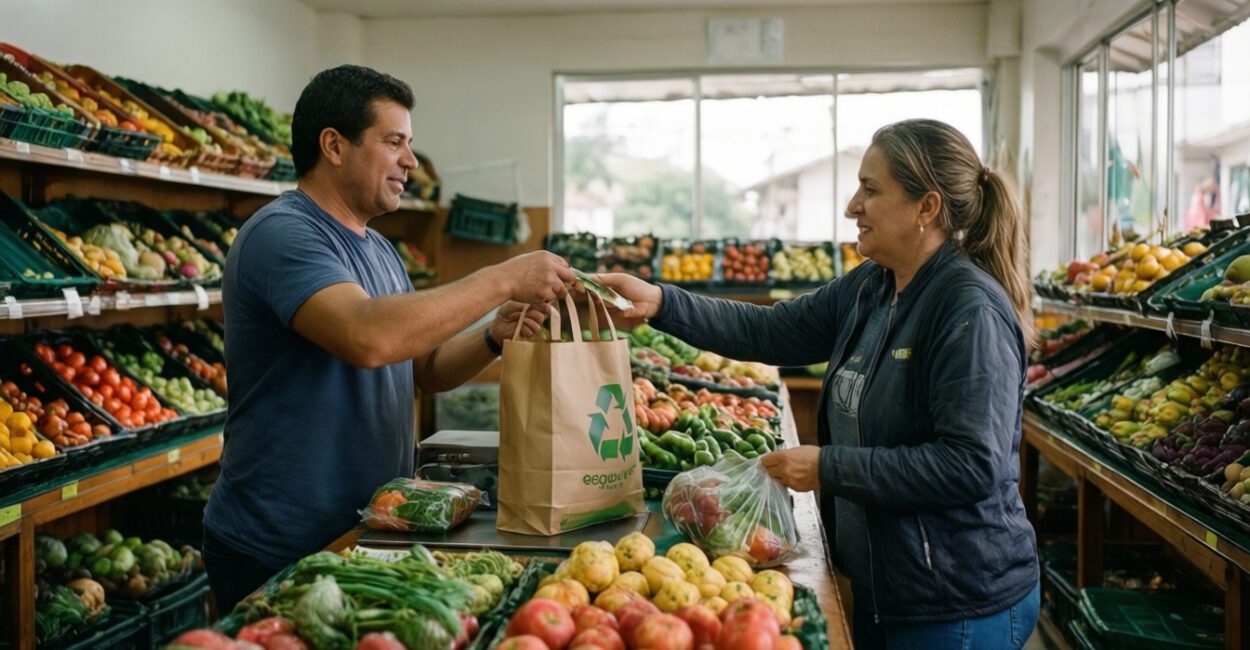
Recyclable packaging can improve an offering and still leave a company without enough margin to keep going. To understand how to build a sustainable business model, connect three decisions: solve a real need, maintain a financially viable operation, and reduce meaningful social or environmental impacts.
This work starts with the customer’s problem and continues with decisions about pricing, costs, suppliers, and how to measure results. Impact should be reflected in day-to-day decisions, with evidence the business can realistically track.

Key takeaways
- Define who faces the problem and what alternatives they already use.
- Calculate what it costs to deliver the offering and where revenue will come from.
- Choose a priority impact across the value chain and indicators related to it.
- Test demand and operations on a small scale before expanding.
What makes a business model sustainable and viable
A sustainable business model describes how a company creates, delivers, and captures value while accounting for its economic viability and social and environmental effects. To start building one, define a customer problem, identify the relevant impact, and determine who will pay for the solution, how much they will pay, and under what conditions. Intent matters, but it needs to become part of how the business operates. Lower-impact packaging, for example, does not automatically make up for a problematic supply chain or a cost structure that makes the operation unviable. Performance depends on the whole business and its industry context.
Being sustainable also doesn’t mean every product has to be organic, cost more, or deliver benefits in every area. A company might prioritize reducing waste or improving working conditions, for example, as long as it defines the goal’s scope and tracks results with evidence. The United Nations Sustainable Development Goals help provide context for social and environmental challenges. They are a thematic reference, not a certification or automatic proof that a company has achieved a positive impact.

Start with the problem, the customer, and the value proposition
Define a customer group, the need you aim to address, and the alternatives people already use. A sustainable value proposition turns a broad purpose into a specific, clear benefit that matters to that audience, without relying on vague environmental claims. For example, a small clothing brand might offer repairable garments to people who want their clothes to last longer. The proposition only makes sense if customers value this benefit and the company can provide repairs at a quality and cost that fit its operations.
Talking with potential buyers can help you understand their habits and concerns, but compliments alone don’t demonstrate demand. A well-conducted conversation explores how someone handles the problem today, what they find difficult, and what evidence would persuade them to try another solution. The practical question to test the proposition is: what behavior would show that the customer sees enough value to try or pay for it? Signing up for a pilot, placing an order, or making a customer-authorized advance payment are more concrete signals than simply saying they’re interested.
Align revenue, costs, and impact

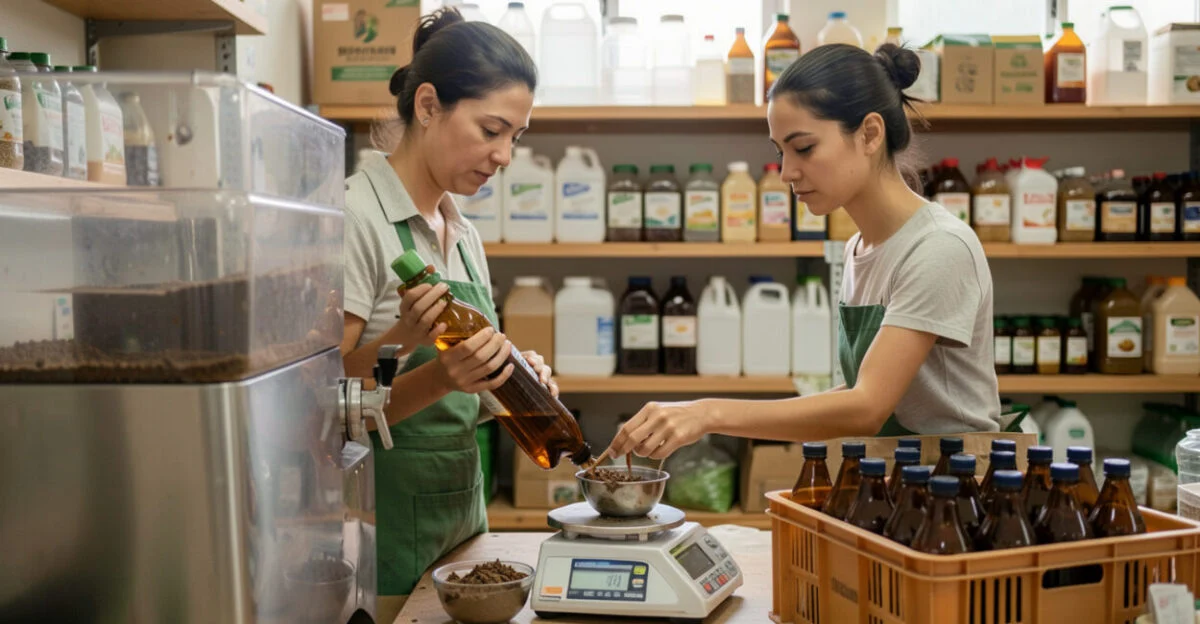
The financial model connects customers, offerings, channels, revenue streams, resources, activities, partners, and costs. Projected revenue needs to be compared with the cost of delivering the offering: price, volume, and expenses determine the margin available to keep the operation running and reinvest. There’s no single price or margin that works for every business. A local operation, a digital service, and a company that relies on seasonal raw materials all face different cost structures. Separate one-time costs, such as equipment, from recurring expenses, such as transportation, maintenance, staff time, and waste management.
Map where impacts may occur: materials, production, transportation, use, disposal, working conditions, or access to the service. If reducing waste is a priority, for example, track the amount generated per product or over a set period, defining what’s included in the measurement in advance.
Dimension
Diagnostic question
Example of evidence
Customer and value
Who has the problem, and what benefit do they value?
Pilot sign-ups or orders received
Revenue and pricing
Who pays, how much, and how often?
Sales recorded by channel and product
Costs and resources
What uses resources, and how much does delivery cost?
Material, transportation, and labor-hour expenses
Social or environmental impact
What effect will be tracked, and at what stage?
Records of waste or access to the service
Risks and dependencies
Which suppliers or conditions could disrupt operations?
Available alternatives and cost variation history
Social and environmental commitments need owners, processes, and indicators. B Lab offers standards and tools for assessing business impact; consulting its impact standards can help organize key issues, but it doesn’t replace an analysis of the business’s specific circumstances.

Operational fundamentals and overlooked costs
Four dimensions guide decisions: value proposition, financial viability, responsible operations, and performance measurement. If no one owns one of them, the company may promise a benefit it can’t deliver or track indicators that don’t help it make decisions.
In addition to raw materials and labor, a budget may include industry-specific compliance, maintenance, logistics, waste disposal, and staff time spent on tracking. These costs vary by location, scale, and type of operation; there’s no universal “hidden” expense. Separate one-time outlays from recurring expenses, and assess each investment based on its expected effect on the business and its impact. A more efficient machine might reduce consumption, but its purchase, maintenance, and operating costs also need to be included. A financial return isn’t guaranteed.
Read also: How to Protect Small Businesses from Online Scams
Also account for seasonality, price fluctuations, and supplier dependence. If a responsible input is available from only one supplier, identify acceptable substitutes and consider how a disruption would affect price, delivery, and your impact goal.
How to compete without relying only on the lowest price
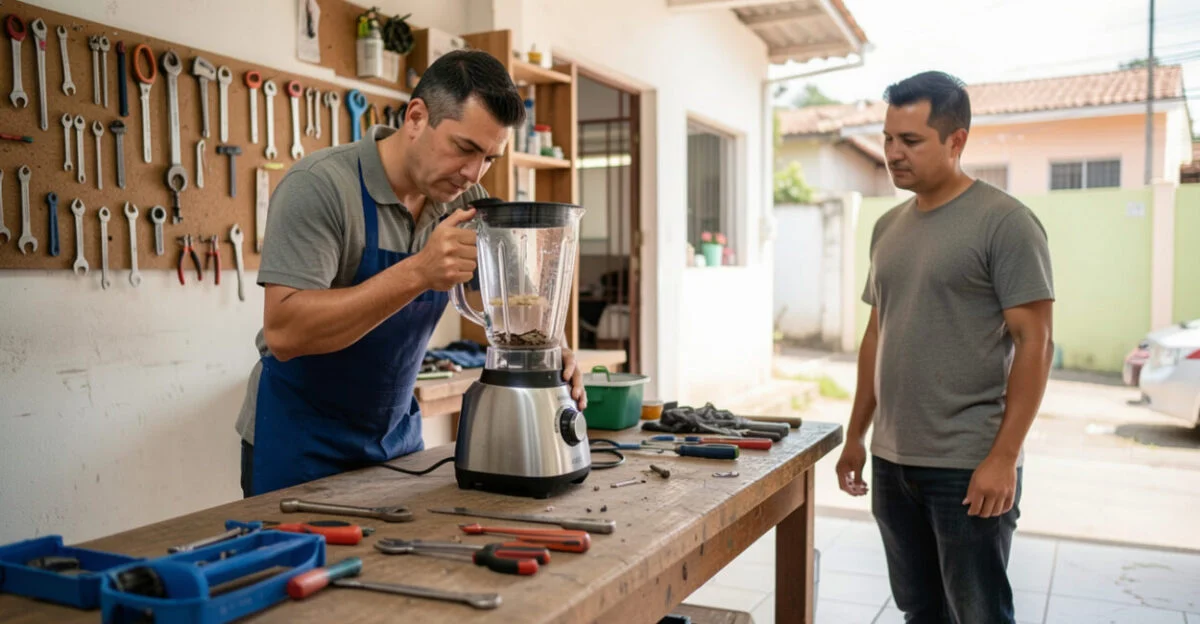
Compare your offering with the alternatives customers already know. Depending on the product and the need it addresses, performance, convenience, durability, service, trust, and lifetime cost can matter as much as the initial price. A repair business might stand out through its after-sales service or by making a product easy to fix. This approach only works if customers value the service and the team, parts, and logistics make it possible to deliver without undermining the margin.
Read also: Fake Investment Scams: Warning Signs and How to Protect Yourself
Customers won’t necessarily pay more for an option associated with sustainability. Explain the price based on costs and the benefit customers perceive. Choose a differentiator you can substantiate, and avoid piling on vague terms like “eco-friendly” or “conscious” without explaining what they mean.
Green packaging can be part of a better decision, but the claim needs to specify the material and what aspect was assessed. Marketing should match what the operation can demonstrate; a claim without evidence may mislead the public.
A sustainable differentiator strengthens a business only when customers value it and the operation can verify and maintain it.
Test the idea on a small scale and track signs of viability
Test the model before expanding: document your assumptions, talk with potential customers, offer a minimum viable version of the solution, observe behavior, and make adjustments. This process helps you assess demand, the economics of the operation, and your chosen impacts together.
Stated interest is a clue, not proof of a purchase. A pilot with sign-ups, orders, or actual payments tells you more, although no single test can guarantee lasting demand or prove the operation will work at a different scale.
Assumption
Possible test
Indicator to track
Next decision
There is demand for the solution
Present a pilot offering to the defined audience
Sign-ups, orders, or purchase conversion
Adjust the audience or offering if the response is weak
Customers accept the price
Test an offering with a clearly stated price
Purchases and margin after delivery costs
Revisit the price, costs, or benefits presented
The operation is viable
Deliver a limited batch or service
Time, failures, costs, and service capacity
Fix the process before increasing volume
The priority impact is happening
Measure the defined indicator during the pilot
Resource use, waste, or a relevant social outcome
Revisit the practice or the measurement method
The validation process doesn’t end when someone shows interest. Look for consistent signs of demand, a clear relationship between price and costs, and impact results measured within a defined scope. If the data contradict your assumptions, revise the offering before investing more.
Mistakes that weaken the model and how to fix them
The biggest risk depends on the business. For a company without orders, it may be assuming demand exists; for another, it may be underestimating delivery costs or relying on a single supplier. In many cases, untested assumptions about demand, pricing, and operations compound into bigger problems.
- Promoting before organizing operations: Define what the company can demonstrate and deliver before making an impact claim.
- Ignoring indirect costs: Track transportation, maintenance, staff time, and waste disposal when relevant.
- Choosing indicators unrelated to the goal: Link each metric to the impact the business wants to track.
- Depending on a supplier without a backup: Identify risks and replacement options before expanding operations.
- Scaling too soon: Test demand, pricing, and delivery capacity on a limited scale.
Hypothetical example: A brand receives praise for a cleaning-product refill, but few people buy it. After investigating, it finds that the point of sale doesn’t explain how to use the refill and that the total price doesn’t seem worthwhile. The company could test a different presentation or revisit its costs; praise alone doesn’t justify increasing production.
Use the checklist below before increasing your investment or output:
- Problem and audience defined
- Value proposition is clear
- Revenue source identified
- Main costs mapped
- Operational risks recognized
- Priority impact defined
- Indicators selected
- Test completed before scaling
To move forward, write a one-sentence business hypothesis: who has what problem, what solution they’ll receive, and why they would pay for it. Then choose a small test that can provide evidence of both purchase intent and your ability to deliver before committing more resources.

Frequently asked questions
How should a small business choose impact indicators?
Start with your priority impact and choose a measure the operation can track consistently. For a waste-reduction goal, for example, record the amount discarded within a defined scope and period; don’t use a metric just because it’s easy to promote.
Can a small business align its goals with the SDGs?
Yes. The SDGs can help put the social or environmental issue the company wants to address into context. Connect the goal to what the business does, and report measured results separately from intentions.
How can you explore ideas without choosing one based only on appearances?
Compare each idea with observable problems, existing alternatives, and revenue opportunities. Researching ideas in different industries or following markets can broaden your options, but the decision should be based on testing with your audience and the realities of your operations.
Artigos Relacionados
 Creative Entrepreneurship: Turn Your Passion Into a Profitable Business, Stand Out in Crowded Markets, and Build an Authentic Brand
 Digital Entrepreneurship: 9 Essential Strategies to Build a Successful Online Business and Achieve Financial Freedom in 2026
 The Entrepreneurial Mindset in Books: Proven Methods to Build Discipline, Decision-Making Skills, and Resilience for Small Business Owners
 Entrepreneurship Books: Essential Picks with Practical Strategies to Grow Your Business and Build an Entrepreneurial Mindset
 Profitable Agroforestry: 3 Models That Became Businesses
 Building a Sustainable Future: Eco-Friendly Fashion Business Ideas for Young Entrepreneurs in Brazil
